


/file/publisher-c1a3f893382d2b2f8a9aa22a654d9c97/2020/11/7b4cedd1163ca8f91c9621457843b8a2.jpg)

Umany clarifies 'abolish' call, moots matriculation-STPM merger
Umany, in a statement, also stressed that its proposal to implement an “integrated examination system” has no connection to racial issues, but is rooted in the need for a fairer and more transparent university admissions process.
“The real purpose is...
The Universiti Malaya Association of New Youth (Umany) has apologised for an initial proposal to “abolish” the matriculation system, claiming it chose the wrong term to suggest a merger with the STPM examination.
Umany, in a statement, also stressed that its proposal to implement an “integrated examination system” has no connection to racial issues, but is rooted in the need for a fairer and more transparent university admissions process.
“The real purpose is to improve the current system so it becomes fairer and more transparent, thereby addressing the root causes of inequality in student admissions to universities.
“Politicians and parties should not manipulate this matter into a racial issue,” the student group said.
On Sept 12, Umany submitted a memorandum to the Higher Education Ministry highlighting the proposal as the most effective way to address concerns over admission quotas.
The memorandum was submitted in response to media reports on STPM leaver Edward Wong, who scored a 4.0 CGPA in the examination and aspired to be an accountant, only to be rejected by six public universities.
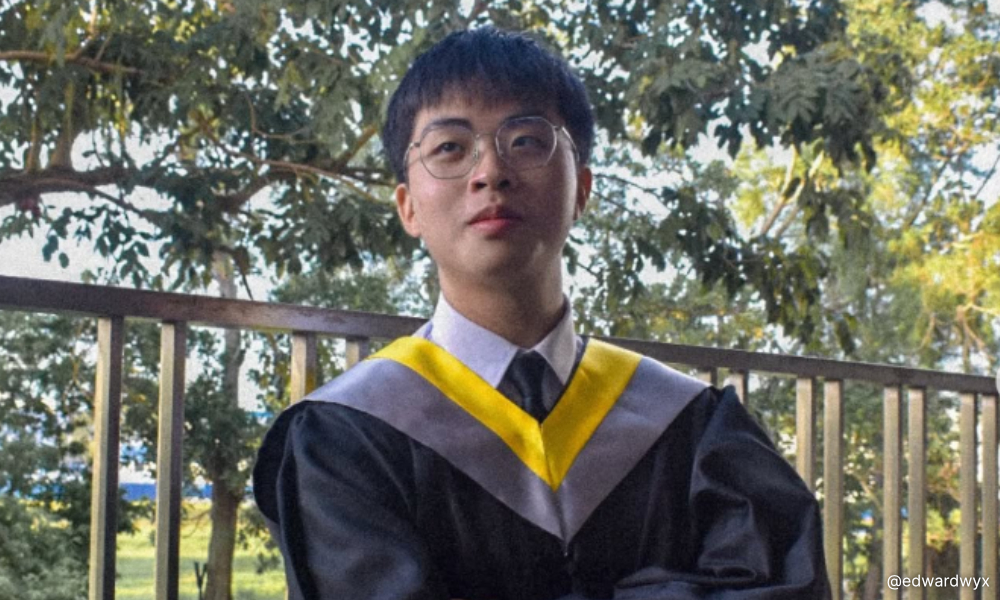
Umany also raised concerns over how Wong was initially offered admission to Universiti Malaya, but only through its direct intake system “Satu”, which costs “up to 10 times higher.”
The group today noted its earlier statement, which used the word “mansuhkan” (abolish) in reference to the matriculation programme, may have led to misunderstandings.
“What we truly meant was to merge the matriculation programme with the STPM examination, based on the STPM syllabus that is widely recognised at the international level. This step will allow students from various backgrounds to compete fairly under one examination platform.
“We apologise for the confusion caused,” it added.
Among others, Umno Youth exco Wan Zuhir Ghazali stressed that the matriculation scheme is vital to level the playing field for underprivileged bumiputera students.
He also described the STPM route as one typically taken by those with financial means and better educational resources, unlike the matriculation system.
‘Social justice consideration’
Umany further said its proposed integrated examination will continue to take into account the needs of disadvantaged groups, to ensure the value of social justice is reflected in admissions.
It pointed out that Education Minister Fadhlina Sidek had recently indicated the proposal could be assessed holistically, which signalled the ministry was not rejecting the idea outright but required more study.
“We believe that when the integrated examination is implemented, the government can set specific quotas to assist those in need so they are prioritised.
“At the same time, all high-achieving students can be compared fairly on the same platform, thereby resolving the recurring controversy over admissions every year,” Umany said.
/file/publisher-c1a3f893382d2b2f8a9aa22a654d9c97/2025/09/42ab189178a98b70ef6ad6cc78283184.jpg)
/file/publisher-c1a3f893382d2b2f8a9aa22a654d9c97/2025/09/34ab9a41dc44cc2df8ff945f7311fa97.jpg)
/file/publisher-c1a3f893382d2b2f8a9aa22a654d9c97/2025/09/89047095d52bf39279c0aa62bc8c7dc7.jpg)
/file/publisher-c1a3f893382d2b2f8a9aa22a654d9c97/2025/09/9b5f6102f5df1c0b81a348cfbf5ff7e2.jpg)
/file/publisher-c1a3f893382d2b2f8a9aa22a654d9c97/2025/06/ff140adbc982f46a38d576f1a5bc164e.jpg)


Are you sure you want to delete this comment?
This action cannot be undone.